
Manufacturing guides for hair care brands.
Field notes from a Brazilian manufacturer: choosing a private label partner, planning volumes in litres, and clearing the regulatory path into your market.
Hair treatment manufacturers: how to compare them before you commit
Formulation capability, minimums, compliance and export documentation vary far more between hair treatment manufacturers than price does. Here is how to compare them properly.
Read the guide
What is private label manufacturing, and how do you choose the right partner?
The plain definition, how private label differs from OEM, ODM and white label, what a first project really costs, and the checks that separate a partner from a supplier.

Private label Brazilian keratin: how to launch a professional smoothing line
A step-by-step brief for brands and distributors launching their own Brazilian keratin smoothing line with a manufacturer in Brazil.

Private label nanoplastia manufacturing: formulation, MOQ and compliance
The manufacturing brief for brands that want nanoplastia in their own range: which acid system, which markets accept it, and what a first order looks like.

Private label hair straightening products: keratin, nanoplastia, botox and plex compared
Which smoothing technology belongs in your own brand, how the four categories differ commercially, and the SKU mix that makes a first order profitable.
How to evaluate a Brazilian cosmetics manufacturer: 25 questions and the answers to expect
The questions that separate a real manufacturer from a trading company, grouped by regulatory, quality, commercial and logistics — with our own answers.

From brief to pallet: the private label hair care timeline, week by week
What actually happens between signing a brief and receiving a pallet, which stages run in parallel, and where projects lose the most time.
Bulk cosmetics in drums and IBCs: local filling, stability and who owns the risk
Bulk supply cuts freight and duty dramatically — provided the filling site, the documentation and the stability responsibility are agreed before the first drum ships.

Cosmetics import documents by region: EU, Gulf, US, Canada and Africa
Free sale, origin, COA, MSDS, halal, PIF. A region-by-region checklist of what customs and regulators actually ask for, and who produces it.
Incoterms for cosmetics imported from Brazil: EXW, FOB, CIF and DDP compared
The Incoterm decides who books freight, who carries risk and where your landed cost stops being someone else's problem. Here is how to choose one.

Formaldehyde-free and glyoxylic-acid-free smoothing: what compliant looks like in 2026
Smoothing is the most scrutinised category in hair care. Here is how the chemistry maps to current regulation, and how to brief a formula that stays sellable.

EU Cosmetic Regulation 1223/2009: what a hair care brand actually has to do
The formula is rarely what blocks a European launch — the file is. Here is exactly what Regulation (EC) 1223/2009 asks of you, and which parts your manufacturer supplies.

Hair care contract manufacturing: MOQ explained in litres, not guesses
Why manufacturers quote minimums in litres, how 300 L per SKU converts into finished units, and how to structure a first order that actually makes money.
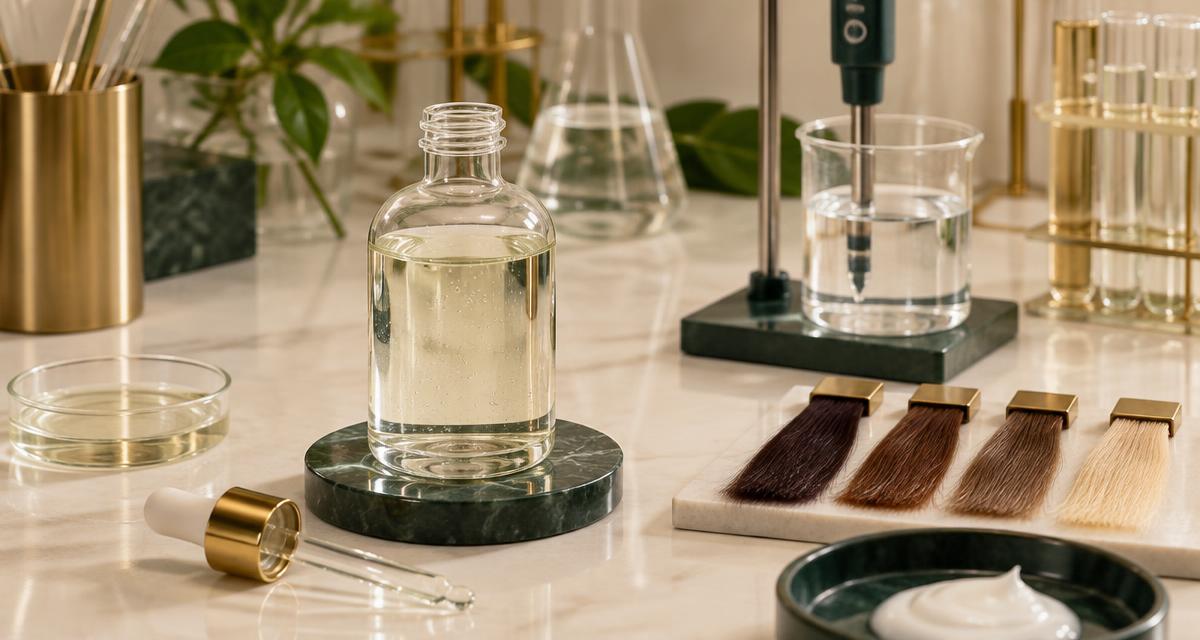
Formaldehyde-free nanoplastia: manufacturing it under your own brand
What separates nanoplastia from keratin, how formaldehyde-free systems are built for regulated markets, and what a manufacturer needs to produce it under your brand.

Private label hair protein treatments: manufacturing for professional brands
Protein types, molecular weight, the protein-moisture balance and how professional protein treatments differ from smoothing — the manufacturing brief behind the category.
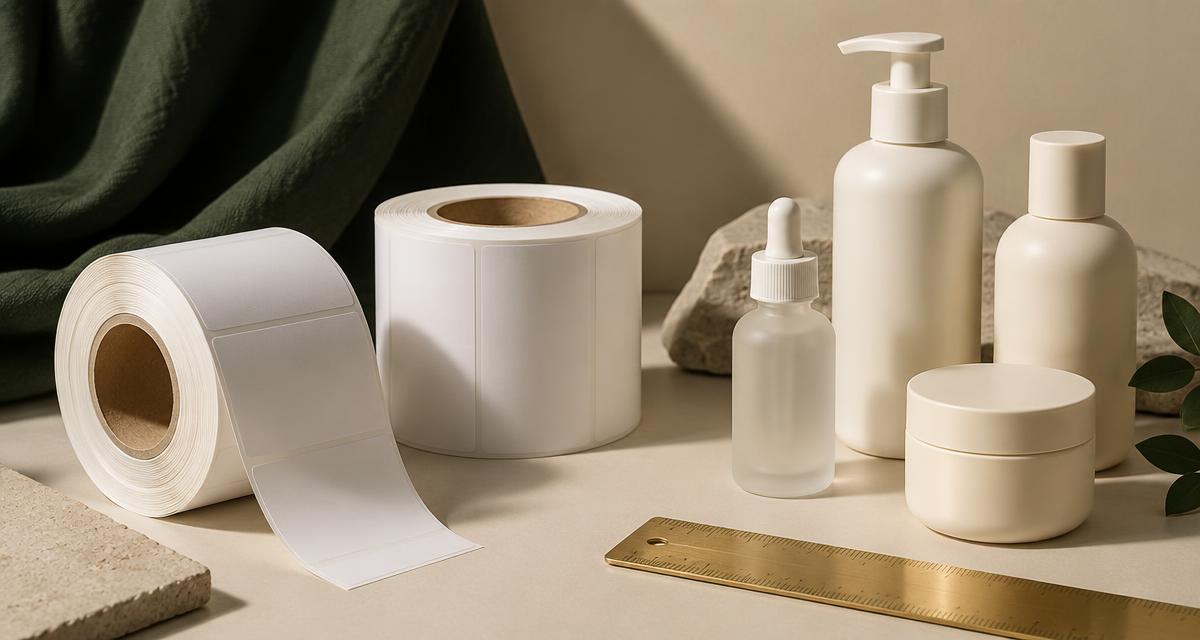
White label hair products: what you can launch from a catalogue
What white label really means in professional hair care, what you can change, what you cannot, and the point at which moving to custom development pays for itself.

How to launch a private label Brazilian keratin brand
From choosing the smoothing system to compliance, packaging, pricing and salon education — the full path to a private label Brazilian keratin line.
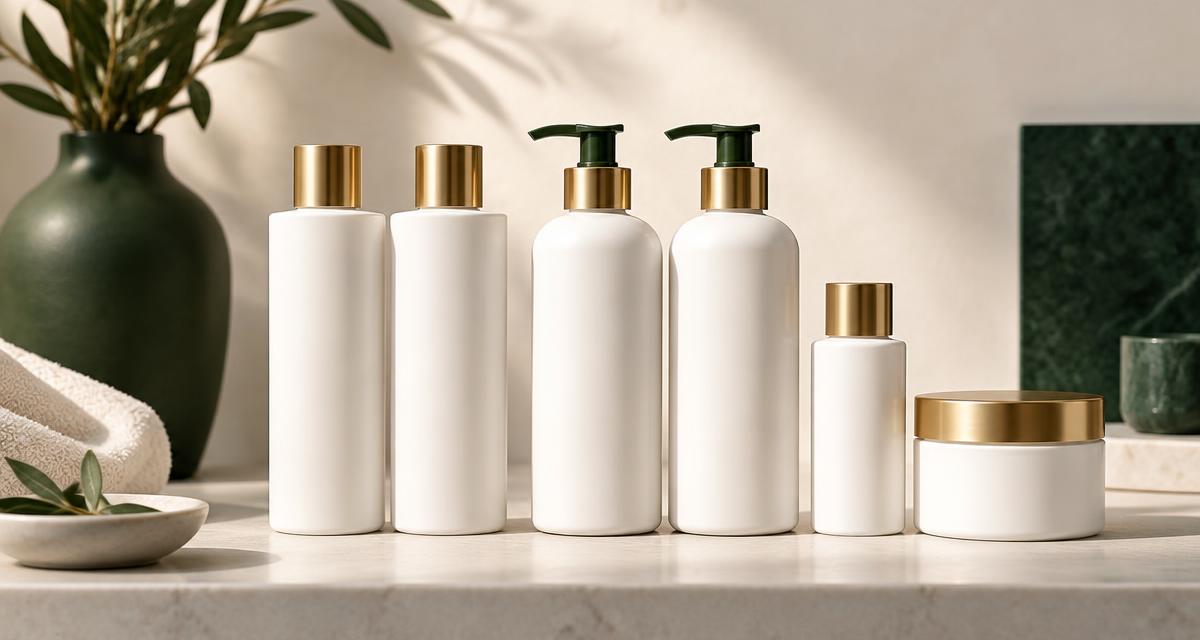
Private label hair care sourcing: how to buy production that actually ships
Sourcing models compared, a supplier due diligence checklist, landed-cost budgeting and the regulatory steps for Brazilian exports to the EU, US and Gulf.

Bulk hair cosmetics supply: when drums beat finished goods
Cost per litre, freight and duty, local filling requirements and the batch documentation you need before buying bulk hair products.

Private label manufacturers: how to choose one for hair cosmetics
Private label vs white label products, how to tell a real manufacturer from a reseller, the nine questions that decide the project and how to budget the first order.