
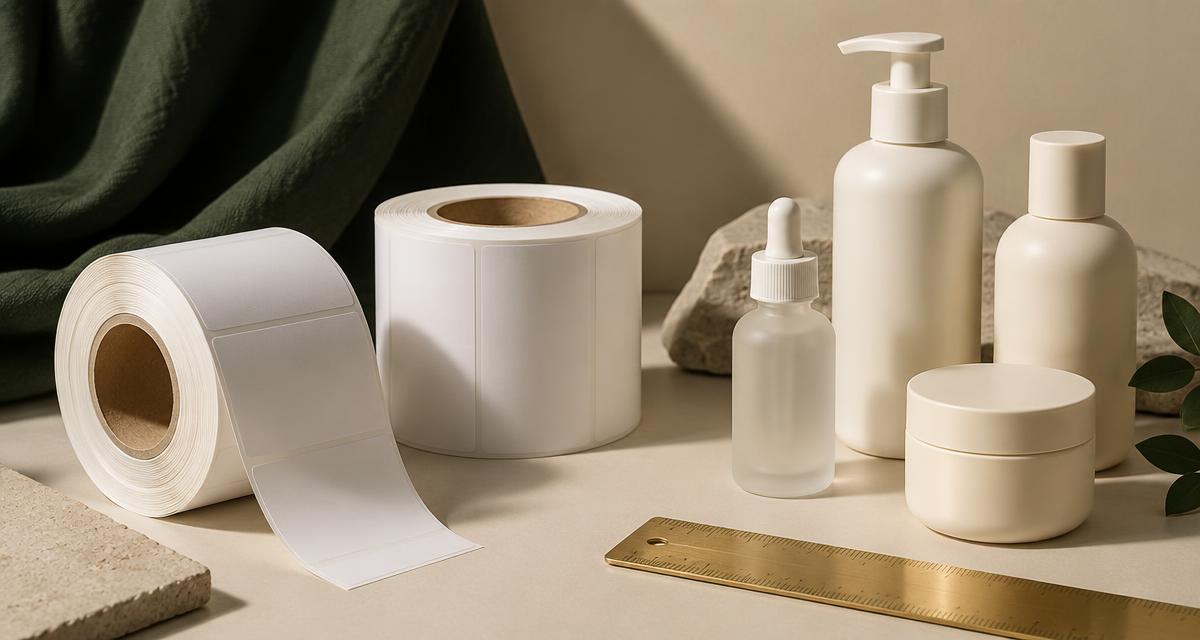
White label means launching from a manufacturer's existing, proven formula under your own brand. You can normally change label, packaging, fragrance and colour without leaving the catalogue; changing actives, texture or claims moves the project into custom development. It is the fastest and cheapest route to market, and the right one until volume justifies owning a formula.
- White label = proven catalogue base; private label = adapted or custom formula.
- Label, pack, fragrance and colour are usually adjustable at no development cost.
- New actives, textures or claims require development and stability testing.
- Minimums still apply per SKU, because each product is a separate batch.
- Move to custom development when reorder volume makes the lab cost payback short.
White label products are the fastest legitimate way to put a professional hair care line on the market. The formula already exists, it has been produced before, and its stability and behaviour are known. You are buying validated production, not development time.
What white label means in practice
A white label range is a set of formulas the manufacturer has already developed, tested and produced repeatedly. You select from that catalogue, apply your brand, and the product ships under your name. Because the development cost is already amortised, the entry price and the lead time are both lower than custom development.
| Decision | White label | Custom (ODM) |
|---|---|---|
| Formula | Fixed catalogue base | Developed for your brief |
| Fragrance | Often adjustable | Fully specified |
| Colour and texture | Limited adjustment | Fully specified |
| Packaging and artwork | Yours | Yours |
| Exclusivity | None by default | Negotiable |
| Time to first shipment | Shortest | Adds development cycles |
What you can usually change without leaving the catalogue
- Fragrance, within compatibility limits of the base.
- Colour, where the base tolerates it.
- Fill size and packaging format, professional or retail.
- Complete artwork, claims wording and language versions.
- Kit composition — which SKUs travel together as a service or retail set.
What requires custom development
- A different active system or a claim the base cannot support.
- Removing or replacing an ingredient restricted in your market.
- A distinctly different texture, viscosity or application behaviour.
- Exclusivity, so competitors cannot buy the same base.
Which hair categories work best white label
Professional hair care splits into categories with very different production behaviour. Treatment masks, conditioners, leave-ins, serums and oils adapt easily to a catalogue base. Smoothing systems and bond builders are more technical and benefit from a manufacturer that produces them weekly — see white label hair straightening and private label nanoplastia.
MOQ and first-order economics
Our minimum is 300 litres per SKU, in finished goods or bulk. In practice, the fixed costs of a first order — packaging tooling, artwork, testing and registration — matter more than the formula price. Ordering four SKUs at the minimum usually produces a better per-unit result than one SKU at four times the volume, because a range sells better to distributors and salons than a single product.
Due diligence still applies
White label is faster, not risk-free. Ask for the stability data, the certificate of analysis from a recent batch, the full INCI list and confirmation that the base is compliant in your destination market. The checklist in private label manufacturers applies unchanged.
Is white label the same as private label?
White label means an existing catalogue formula rebranded for you. Private label is the broader term and often implies some level of customisation. Many manufacturers, including us, offer both.
Can competitors sell the same white label formula?
By default yes, unless you agree exclusivity. That is one of the main reasons brands move to custom development once a product performs.
Can I start white label and switch to custom later?
Yes, and it is the most common path. Keeping the same manufacturer means your packaging, documentation and export process stay in place through the transition.
Next step
Tell us the categories you want in your first range and we will send the catalogue options with MOQ, lead time and landed cost. Request a quote.
Build your line with a Brazilian manufacturer.
Full service or bulk supply, from 300 litres per SKU, with export documentation for the EU, US and Gulf markets.
Request a quote