
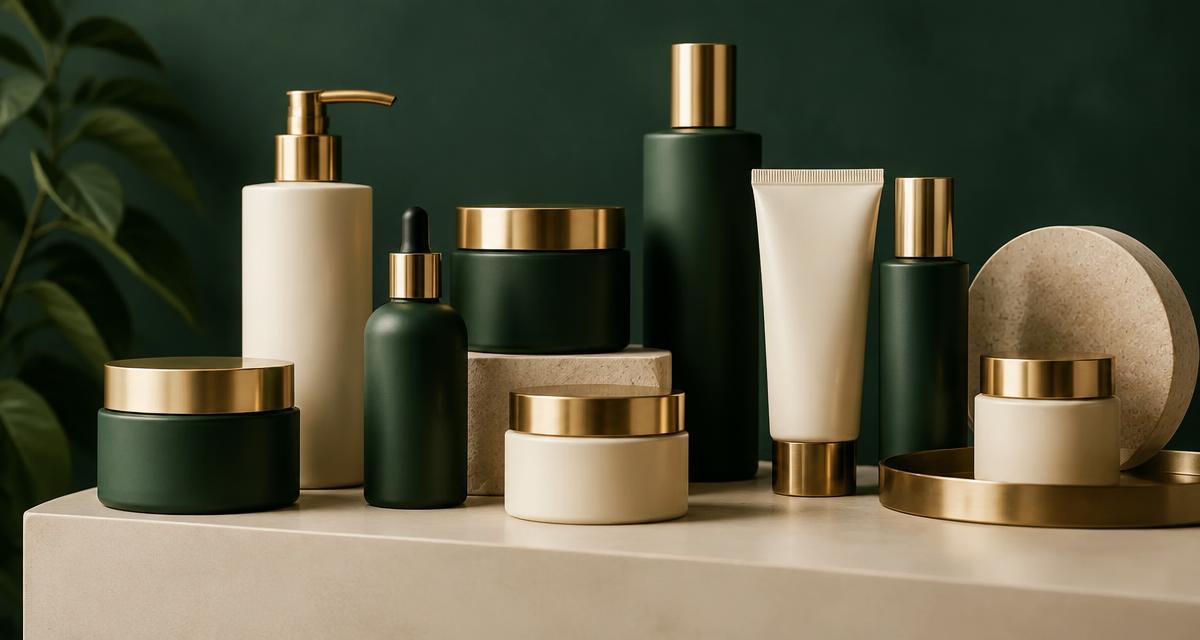
Hair treatment manufacturers differ mainly in four things: whether they formulate in-house or only fill catalogue bases, the minimum batch they can run per SKU, the regulatory dossiers they can issue for your destination market, and their experience with the treatment chemistry you need. Price per litre is the last thing to compare, not the first.
- Ask whether the factory has its own R&D team, or resells a third-party base.
- Minimums are quoted in litres because production happens in a mixing vessel; ours is 300 litres per SKU.
- Treatment chemistry is specialised: smoothing, protein and bond-building lines are not the same capability.
- Export documentation — free sale certificate, safety data, INCI, stability data — decides whether your goods clear customs.
- Run a sample batch on real hair before committing to a full production run.
Most buyers start by asking three factories for a price per litre. The quotes come back similar, and the decision gets made on the cheapest number — which is the one variable that tells you least about whether the project will work. Below is the comparison that actually predicts the outcome.
What does a hair treatment manufacturer actually do?
A hair treatment manufacturer develops or adapts the formula, produces it in a controlled batch, runs quality control on that batch, and — in a full service arrangement — fills, labels and packs it under your brand. Some manufacturers do all of it. Many only do the filling step and buy the formula in.
The distinction matters when something needs to change. If the factory owns the formula, an adjustment to viscosity, fragrance, pH or actives is a lab task with a defined turnaround. If it does not, every adjustment becomes a negotiation with a supplier you cannot see.
How do hair treatment manufacturers differ by region?
Region shapes the default capability far more than the individual factory name. The table below is the pattern our export customers describe when they compare quotes across continents.
| Region | Typical strength | Typical constraint |
|---|---|---|
| Brazil | Professional smoothing, protein and reconstruction chemistry, salon-grade performance | Ocean freight time to Europe and Asia |
| India | Oil-based treatments, competitive cost at higher volumes | Higher minimums for custom development |
| China | Packaging integration and very low unit cost at scale | Formula ownership and traceability are often unclear |
| European Union | Regulatory dossiers ready for EU placement | Highest cost per litre, long development queues |
| United States | Fast domestic logistics, familiar compliance | Limited experience in Brazilian smoothing chemistry |
Brazil's position in professional treatments is not marketing: the local salon market consumes smoothing, protein and reconstruction systems at a scale that forces manufacturers to keep that chemistry sharp. That is the capability an importer is buying.
Which questions separate a real manufacturer from a reseller?
- Do you formulate in-house, and can I speak to the chemist responsible for my project?
- What is the minimum batch per SKU, in litres, for finished goods and for bulk?
- Which documents do you issue for export to my country, and who signs them?
- Can you produce a sample batch of my formula before the production run?
- What stability and packaging compatibility testing is included?
- What is the realistic lead time from approved sample to goods ready to ship?
A manufacturer that answers all six specifically, with numbers, is one you can plan around. Vague answers on documentation and lead time are the two that most often turn into a stuck shipment later.
What minimum order should you expect?
Expect minimums quoted per SKU in litres, because a batch below a certain volume cannot be mixed and controlled reproducibly. Ours is 300 litres per SKU, for finished goods and for bulk drums alike.
| Fill size | Approximate units from 300 L | Typical use |
|---|---|---|
| 100 ml | ~3,000 | Serum, leave-in, travel size |
| 250 ml | ~1,200 | Retail treatment, home care |
| 500 ml | ~600 | Mask, salon back-bar |
| 1 L | ~300 | Professional smoothing and reconstruction |
The full arithmetic of a first order — packaging, artwork setup, testing, registration and freight — is broken down in our guide on contract manufacturing minimums.
What documentation should the manufacturer provide?
- Full INCI list and formula breakdown for regulatory filing.
- Safety data sheet for each product.
- Certificate of free sale issued in the country of manufacture.
- Certificate of analysis for the produced batch.
- Stability and packaging compatibility results.
- Commercial invoice, packing list and certificate of origin for customs.
Requirements then vary by destination: the EU needs a responsible person and a CPNP notification, the Gulf states require their own registration route, and several African and MENA markets add legalisation steps. The regional differences are listed in cosmetics import documents by region.
Full service or bulk supply?
Full service means the manufacturer delivers finished branded goods. Bulk means you receive drums and fill locally, which lowers freight cost per litre and can simplify labelling, but moves filling, compliance and quality control to your side. The trade-off is worked through in bulk supply versus finished goods.
What is the minimum order for a hair treatment?
At Eco Beauty, 300 litres per SKU, available as finished branded goods or bulk drums. The minimum applies per formula, because each one is a separate production batch.
Can a manufacturer copy a treatment I already sell?
A lab can benchmark a reference product and develop an equivalent from its own raw materials. It cannot reproduce a protected formula, and you should be cautious of any factory that offers to.
How long does a hair treatment project take?
Typically eight to sixteen weeks from brief to goods ready to ship, with packaging supply and market registration, not mixing, being the slowest steps.
Are formaldehyde-free smoothing treatments available?
Yes. Glyoxylic-acid and other formaldehyde-free systems are the standard route for markets that restrict formaldehyde releasers, including the EU and the United States.
Do I need my own formula to start?
No. You can start from a proven catalogue base and adjust fragrance, actives and claims, or brief a fully custom development.
Next step
Send us your treatment category, target market and fill sizes and we will come back with formulation options, minimums, documentation and a lead time. Request a quote, or order the Formula Discovery Kit to test the formulas on real hair first.
Build your line with a Brazilian manufacturer.
Full service or bulk supply, from 300 litres per SKU, with export documentation for the EU, US and Gulf markets.
Request a quote